Skip to content
  • Free written quotes
  • Local crews
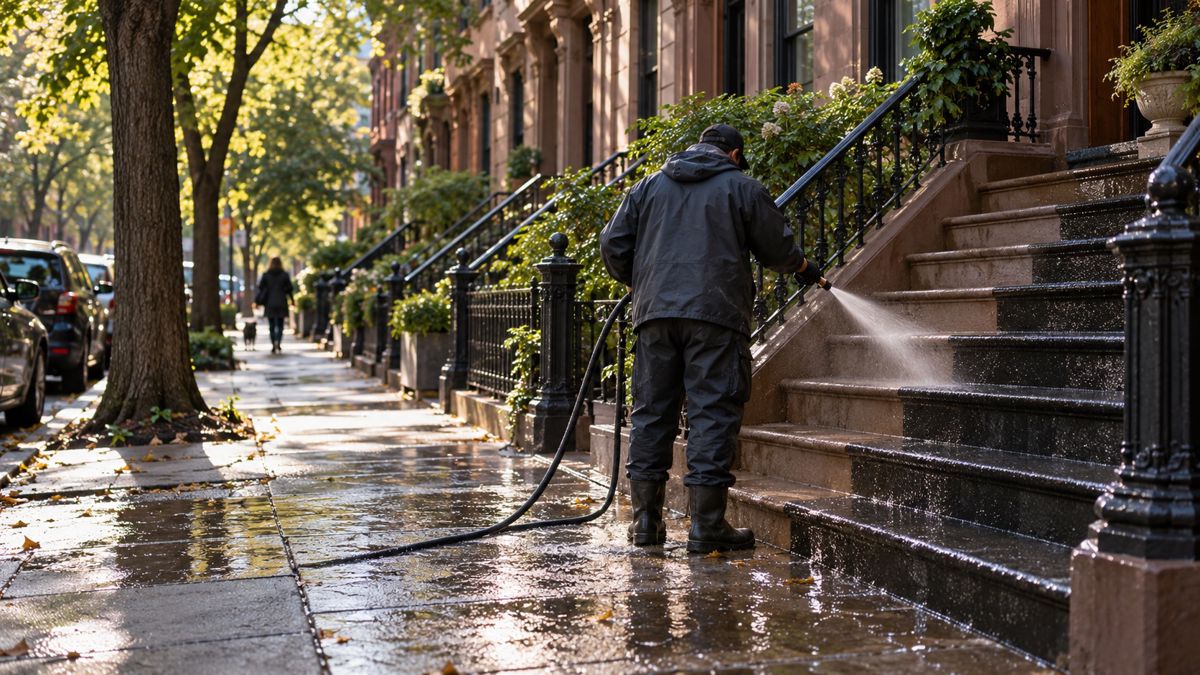
Worker rinsing brownstone stoop steps on a Brooklyn row house block

Brownstones, row houses and backyards

Pressure washing in Brooklyn for brownstones, stoops and backyard decks

Gentle cleaning for brownstone and brick, plus decks and fences in Brooklyn backyards. Request a quote and we will confirm availability.

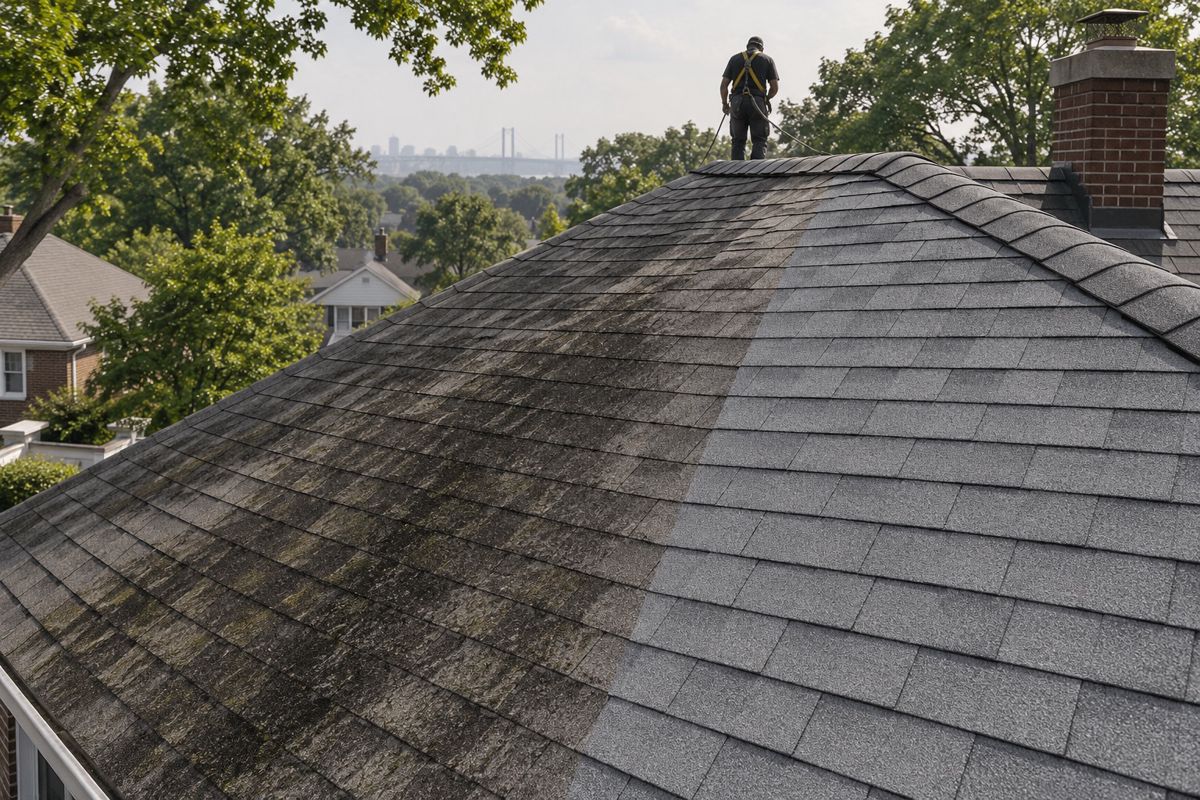
  • Soft wash for siding, stucco and roofs
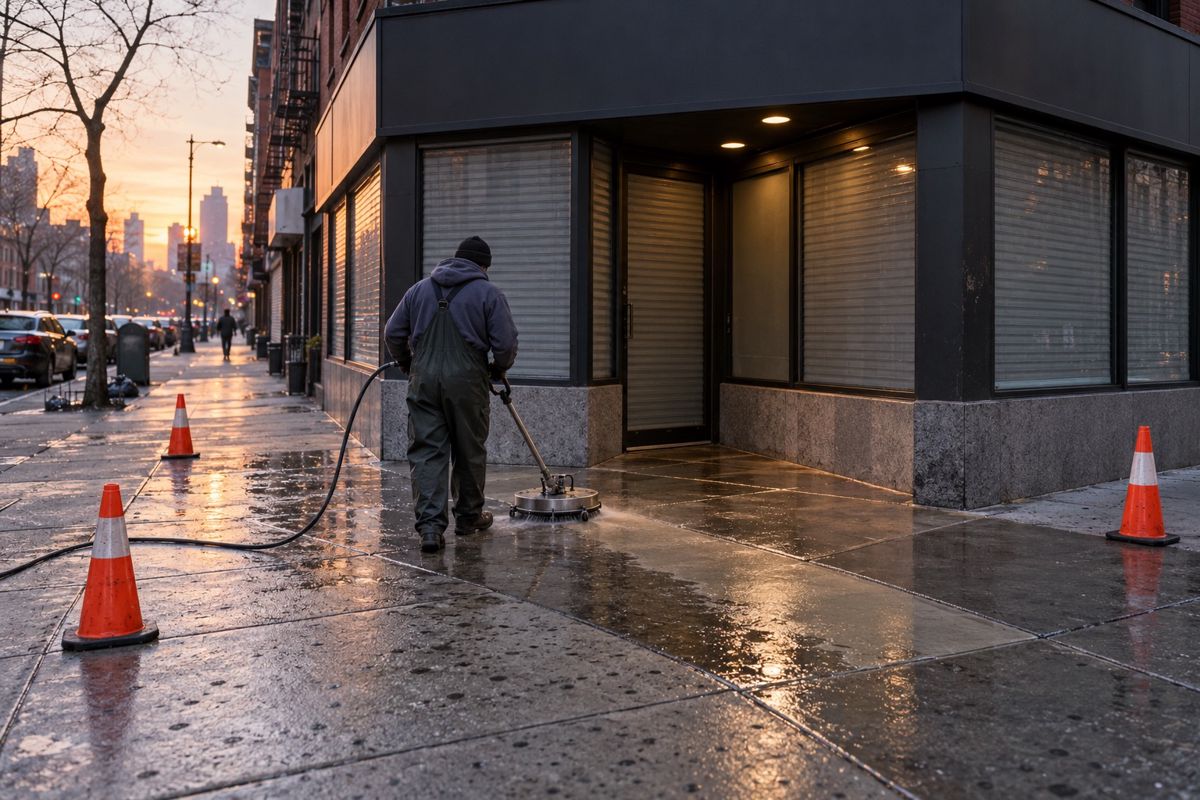
  • Power washing for concrete, stoops and sidewalks
  • A written quote before any work starts

Free written quotes Local crews Safe soft-wash methods Fast scheduling

Brooklyn row houses and what the weather leaves on them

Brooklyn is known for its blocks of brownstone, brick and limestone row houses, many with front stoops, iron railings and small backyards. Trees along the street give welcome shade, and the same shade holds moisture against the stone and keeps algae and mildew thriving on north-facing walls.

Traffic on the avenues adds a gray film, and winter road salt leaves white deposits near steps and gates. Together these make a house look tired long before anything is actually damaged. A careful wash can bring back the original color, as long as the method fits the material.

Brownstone is softer than it looks

Brownstone is sandstone, and it varies a great deal from one building to the next. Some stone is dense, while some is soft and flaky, with surfaces that have already lost their skin to age and old repairs. High pressure can strip what remains and leave pits where water collects and freezes.

We start with the gentlest option, a low-pressure rinse with a cleaner chosen for the stone, and test a small hidden patch. Painted ironwork needs different care, since flaking paint comes off in sheets. In some historic districts, facade cleaning methods are regulated, so owners should confirm requirements before work begins.
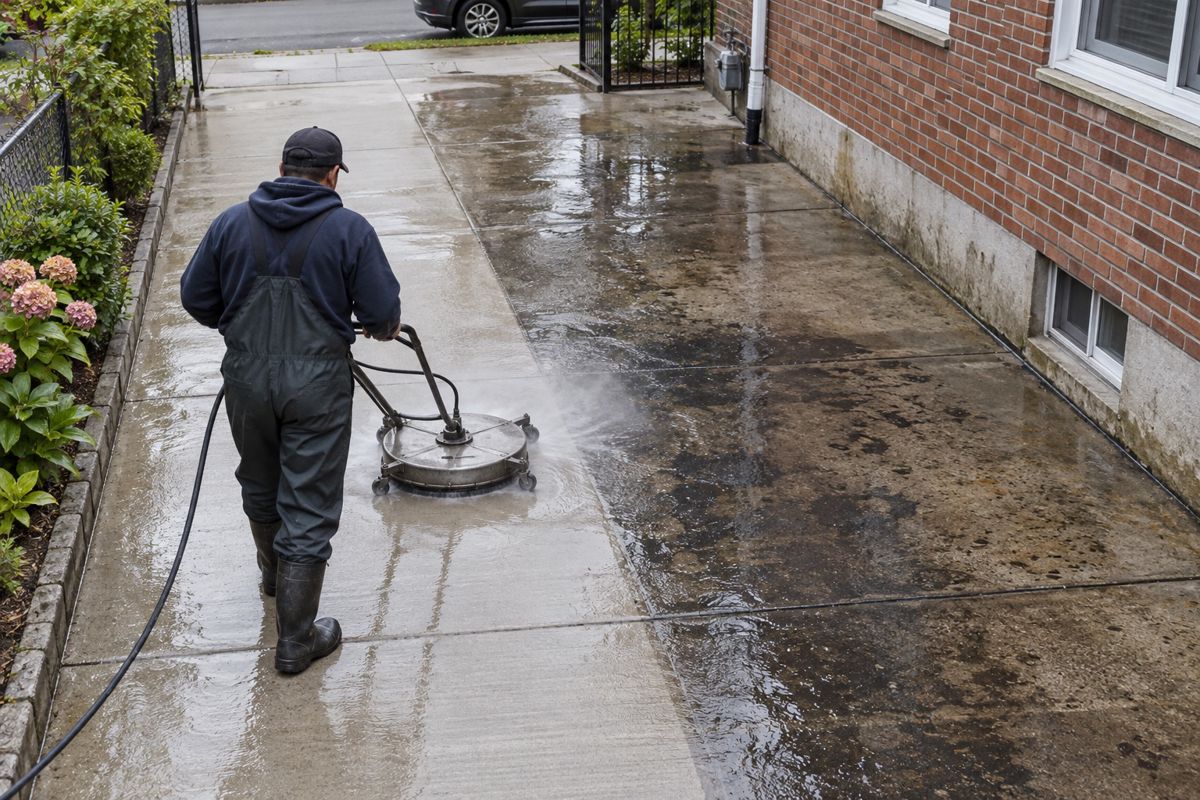
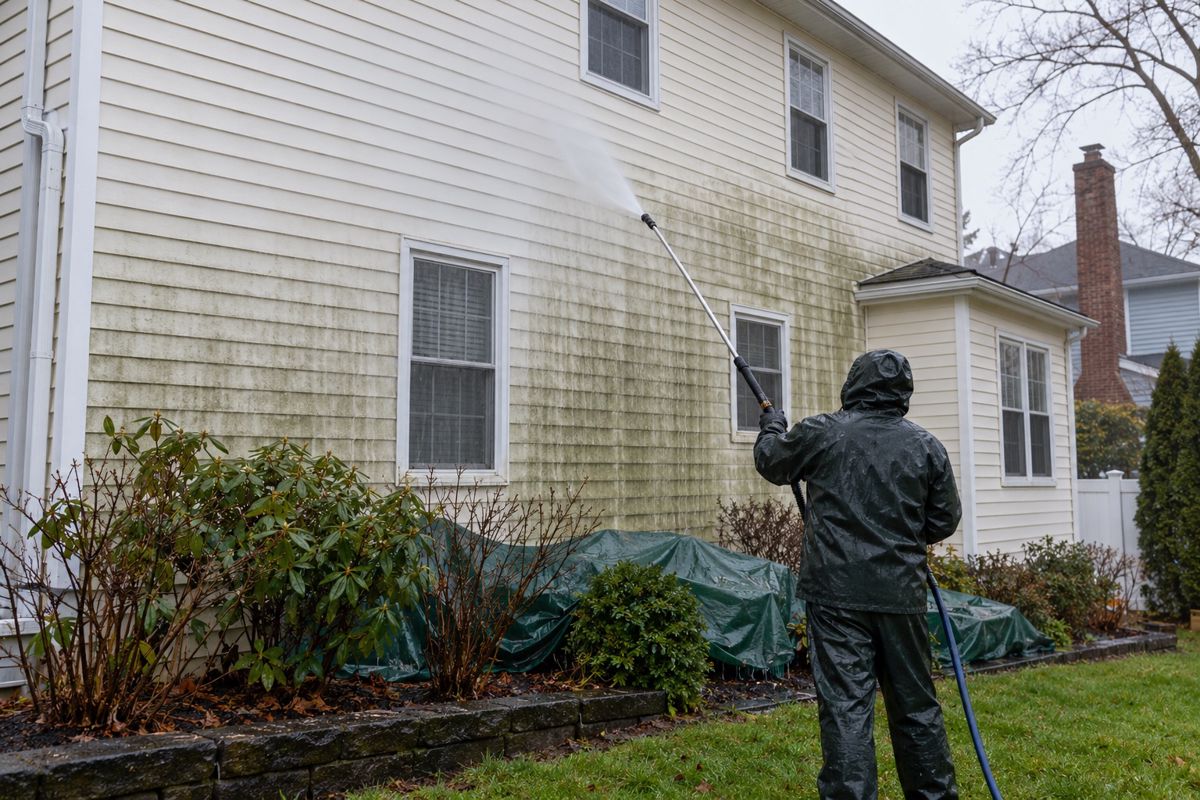
Cleaning services available in Brooklyn

Each of the following can be quoted for Brooklyn, with scheduling confirmed once we hear from you.

Row house owners often combine the facade, stoop and backyard into one visit so the crew mobilizes once.

The details change from house to house. These points matter most:

  • Material. Brownstone, brick, limestone and stucco each need their own cleaner and pressure.
  • Height and access. A tall front facade may need ladders or a lift, and backyards may only be reached through the house.
  • Repairs. Loose mortar, cracks and flaking stone should be addressed first, since water can enter them.
  • Surroundings. Plants, windows, basement entries and neighbors' property need protection.

We note these items in the quote, along with anything that should be repaired by a mason before washing.

Photos of any cracks, missing mortar or flaking paint help us decide whether a mason should see the wall first.

Approvals, neighbors and preparation

Brooklyn has many designated historic districts, and cleaning stone or brick in them can be regulated. Ask the relevant agency, or check your building's documents, before you commit to a method. Co-op and condo buildings may need board approval, and rental properties need the landlord's consent.

Before the visit, move bikes, planters and strollers from the stoop, and tell neighbors that water and a crew may be at the front for part of a day. Backyard access can be tight, so tell us whether equipment must go through the house, and whether a garden-level tenant needs notice.

Steps for a Brooklyn quote

  1. Request a quote with the address and a few photos of the front, the stoop and the backyard.
  2. Tell us what you know about the stone or brick and any past repairs.
  3. We visit when a closer look is helpful and test a small area for stone.
  4. A written quote spells out methods, access and areas not included.
  5. We schedule the work for dry weather and confirm the date before arriving.

Use the form or call (212) 555-0154. We serve Brooklyn but are not based there, and the quote request is how we confirm availability.

Step 1 of 3

What needs cleaning?

Questions about Brooklyn

Is it safe to pressure wash a brownstone?
It can be, if the method is gentle and matched to the stone. High pressure can damage soft sandstone, so we usually use low pressure and a suitable cleaner. We test a hidden spot first. If the stone is flaking or has loose mortar, we recommend repairs first. A test patch takes little time and prevents costly mistakes.
How do I get white salt marks off my stoop?
Salt deposits left by winter road treatments often respond to a rinse and a mild cleaner. On stone, harsh acids can etch the surface, so we choose products carefully. A sealant or regular rinsing in winter can limit the buildup. We look at the material before deciding. Rinsing the area weekly through winter also reduces the white crust that builds up on steps.
Can you clean a wood fence in a shaded backyard?
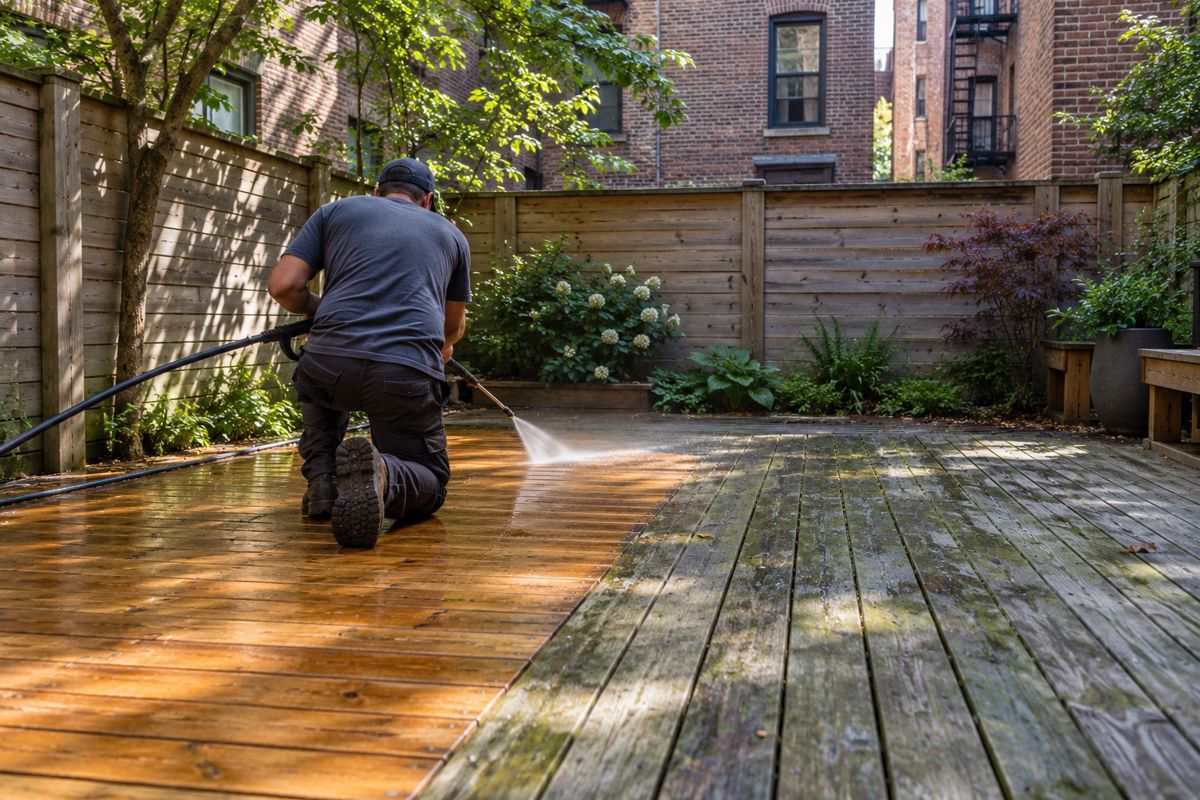
Yes. Shaded yards between buildings hold moisture, so wood fences and decks often grow mildew and become slippery. A suitable cleaner and soft brushing lift the growth, and low pressure avoids raising the grain. Let the wood dry fully before sealing or staining. Cleaning before the weather turns warm gives wood time to dry and be sealed.
Do I need landlord permission for exterior washing?
If you rent, usually yes. Exterior work affects the building, and the owner is typically responsible for approving contractors and methods. Co-op and condo boards may have rules as well. We recommend asking for written consent before booking a date. Getting consent in writing protects both you and the contractor if a question comes up later.
How often should a row house facade be cleaned?
It depends on exposure, shade and street traffic. Many owners clean every few years to remove soot and algae, while houses under heavy tree cover may need more frequent attention. Over-cleaning stone is not helpful, so we suggest a gentle schedule based on how the surface looks. A photo taken today helps compare how fast it returns.

Ready when you are

Call now or request a quote online.

(212) 555-0154